Strengthening Our Present by Remembering Our Past
All photographs by DW McKinney.
By DW McKinney
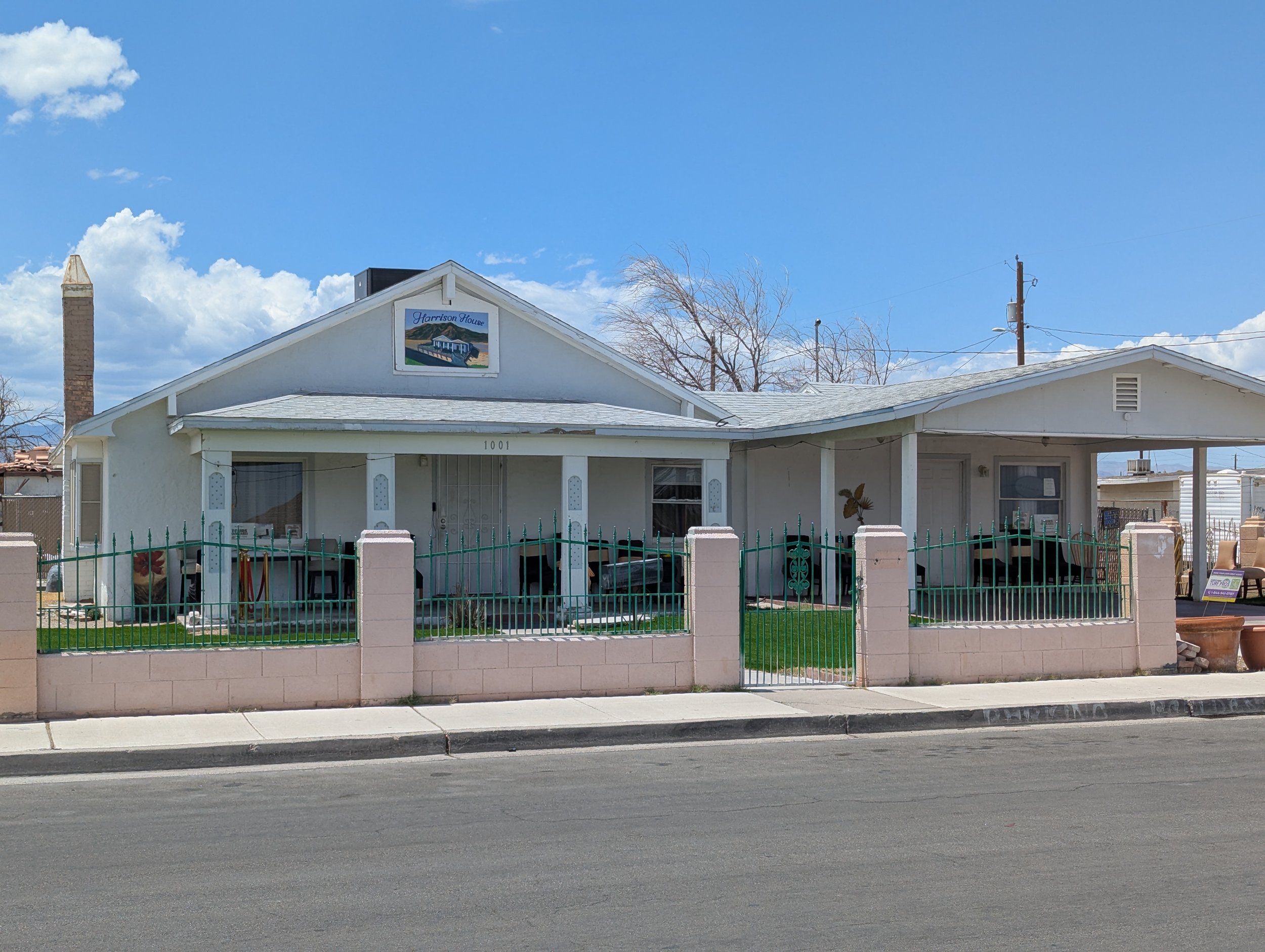
Since my mother moved to Las Vegas last year, we’ve taken to exploring the city together. Because she’s been interested in Las Vegas’s history, this spring I took us on a tour of the Harrison Guest House in the Historic Westside.
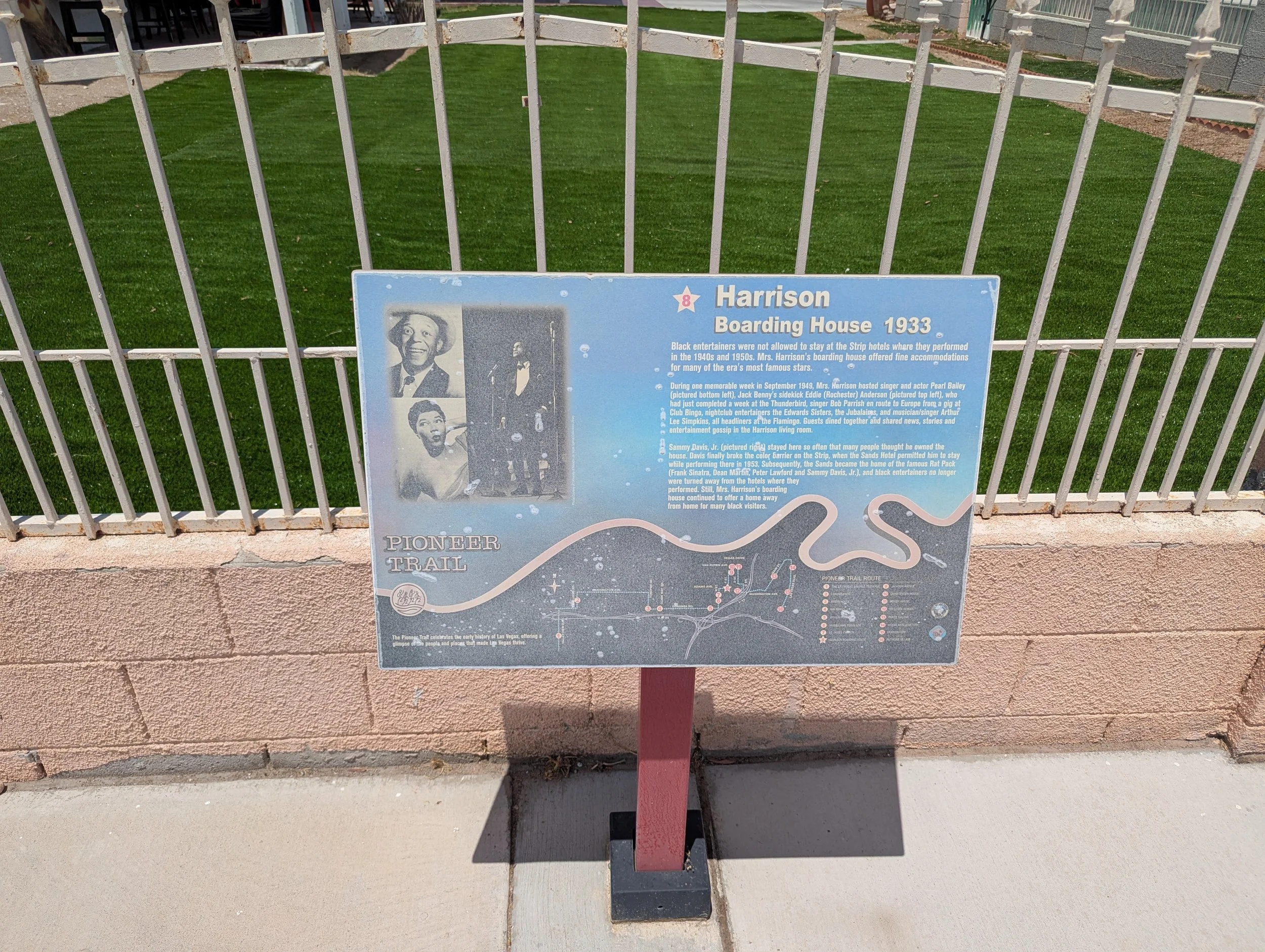
The Harrison Guest House is a former lodging home for Black travelers during the country’s Jim Crow era. While segregation barred non-whites from hotels on the Strip, Miss Genevieve Harrison offered them a room and a homecooked meal. She also lodged several notable Black musicians and singers who performed on the Strip, including Harry Belafonte, Ella Fitzgerald, Nat King Cole, and Lena Horne.
The Harrison House—an unassuming one-story, single-family home—sits against a backdrop of barren lots, crumbling churches, and tumbledown houses. Passersby would never guess that it’s a historic landmark, especially after it was abandoned for years at one point.
Standing on the house’s concrete front porch, the docent spoke about Sammy Davis Jr., whose frequent visits earned a room named in his honor. The docent asked, “What do you think Sammy thought when he came through the front door?”
Eyeing the dusty streets and neglect, I replied, “He probably thought about his difference.”
I wasn’t simply referring to the glittering lights adorning the casinos versus the local domesticity. I also meant that the conviviality at the Harrison House and in the community probably outshined the tolerance Davis received on stage.
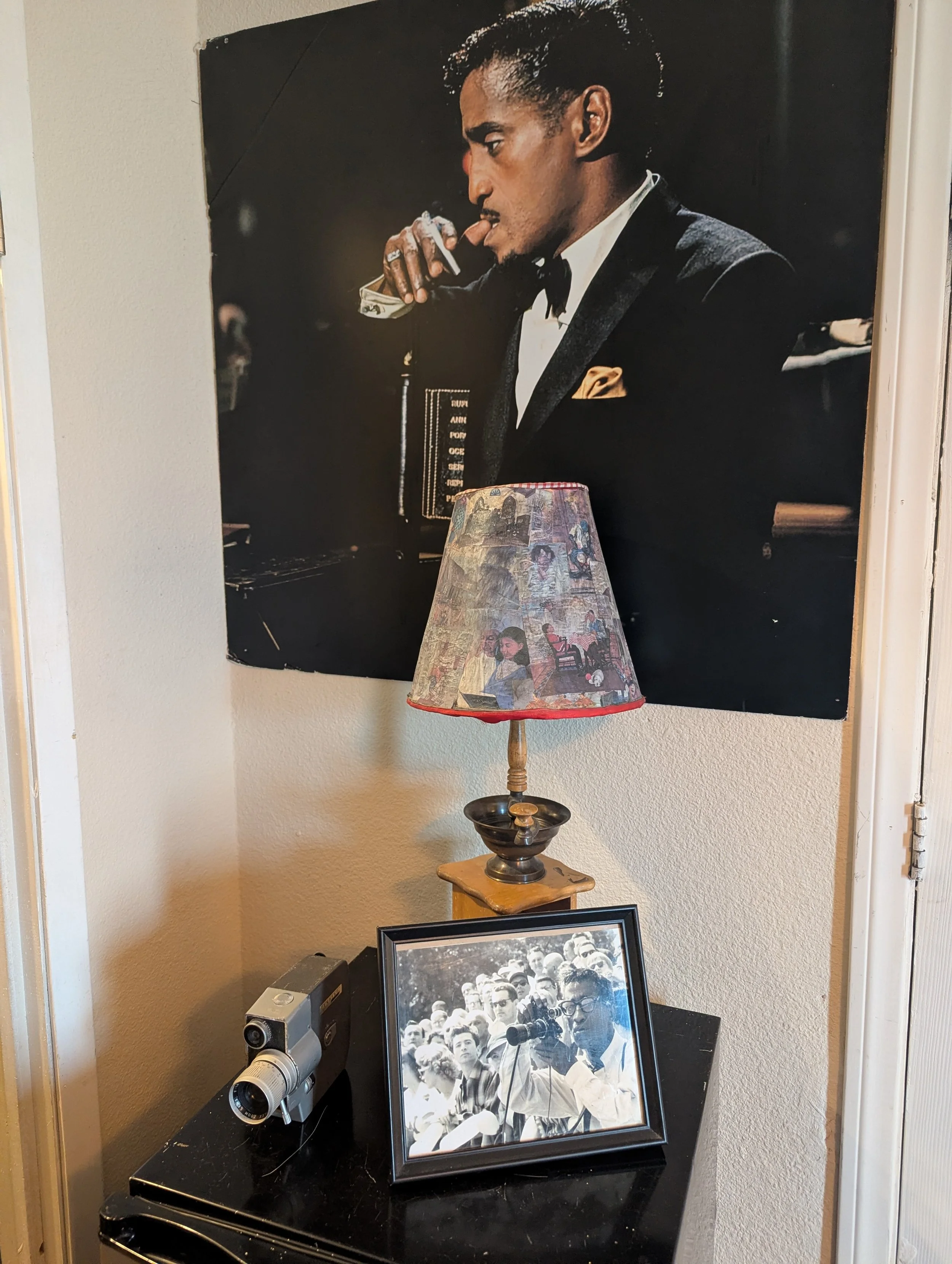
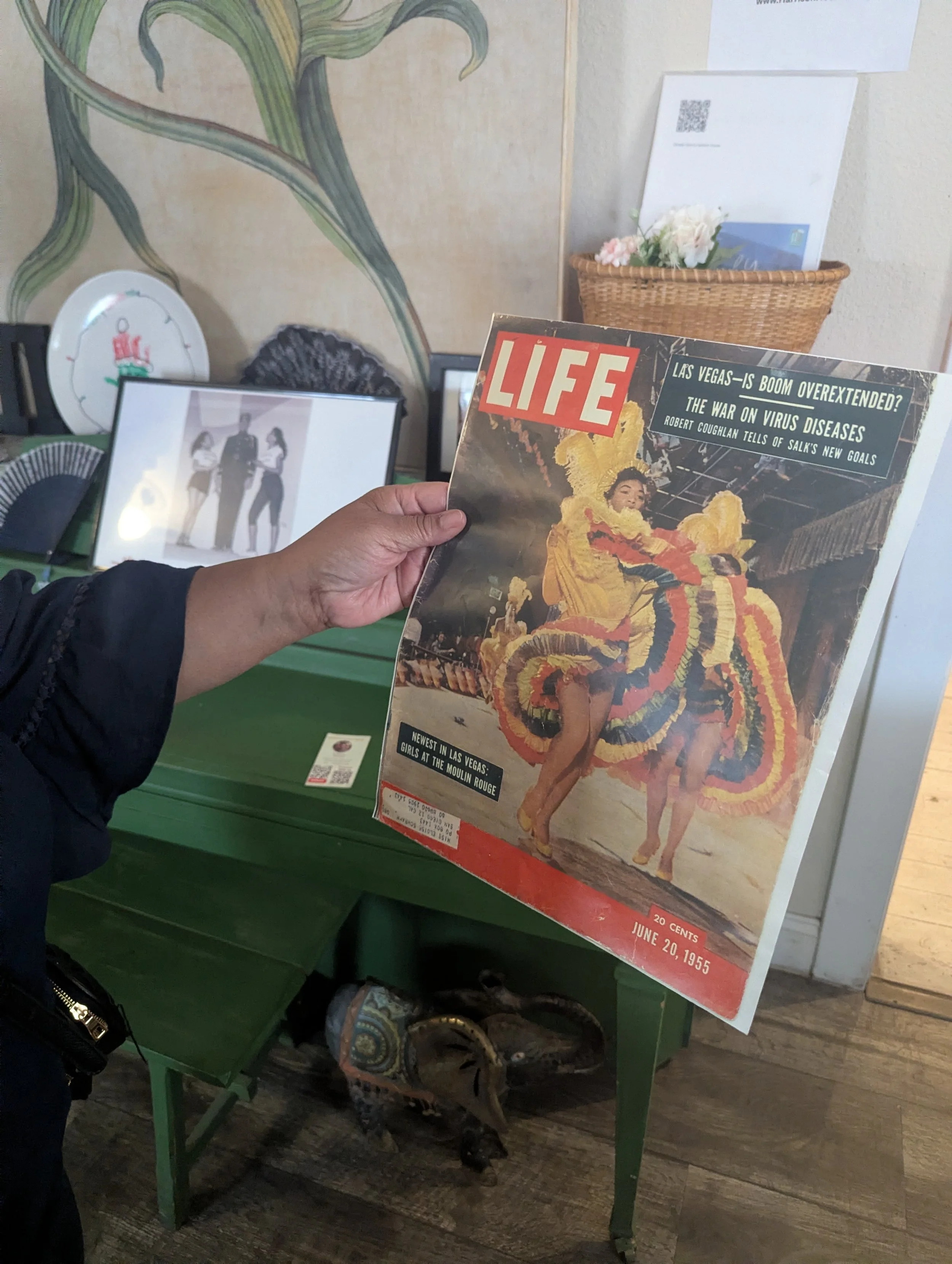
Standing on that front porch, I imagined that the guest house was more than a refuge during a time of social division. It was also a well-spring. Travelers found respite and kinship and revitalization on the property. And when performers such as Pearl Bailey, Billy Eckstine, and the Jubalaires likely performed on that front porch, they imbued something holy and profound into that neighborhood.
Their music must’ve sounded divine echoing through those dust-coated streets. How much life, longing, and blues resounded over the roofs many believed housed second-class citizens.
It’s easy to be enraged at what the Harrison Guest House objectively represents: social division and discrimination. However, its power is in its continuance to be what it’s always meant to be: a source of vitality.
Paying homage to the Moulin Rouge, the first integrated hotel and casino in Las Vegas (and the country), the house now hosts Moulin Nights where local bands and singers take the stage in the front yard and on that concrete porch. On these nights, the neighborhood once again reverberates with drums and crooning and dancing. On these nights, the house comes back to life, threading the past and present together.
I’m grateful that the Harrison Guest House exists. That it strives to sustain Black history at a time when it is being systematically erased. This house forges a reminder of how brilliantly we shine when we remain connected to our history and one another.
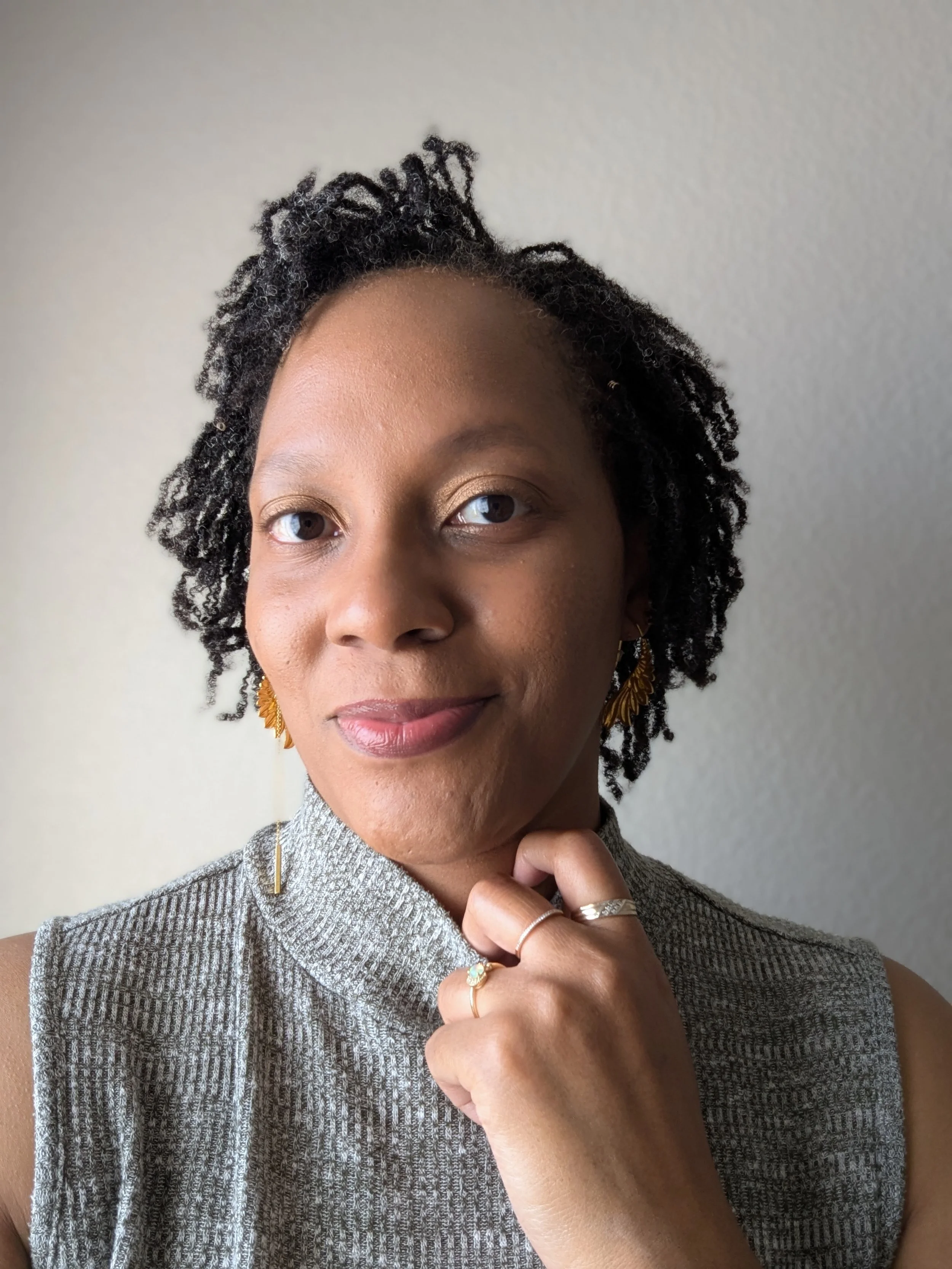
DW McKinney is an award-winning writer and editor based in Nevada. A 2026 Nevada Arts Council Literary Fellow, her work has appeared in Publishers Weekly, Los Angeles Review of Books, Narratively, Ecotone, and Oxford American. She serves as the fellowship manager and editor-at-large for Shenandoah magazine. Say hello at dwmckinney.com.