The Picon Punch: A Community Drink
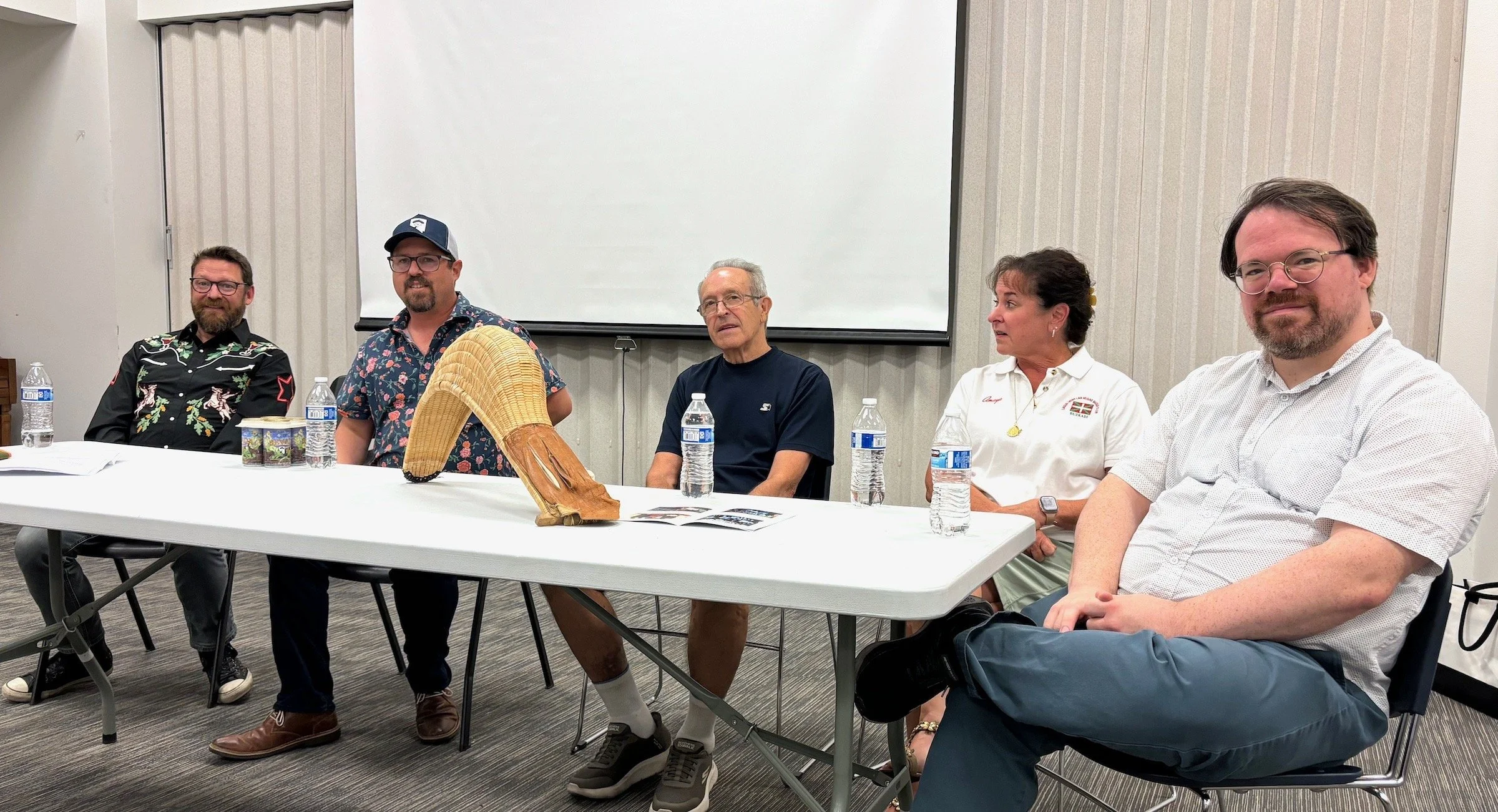
Photograph by Bobbie Ann Howell
By Brad McMullen
My first experience of Basque food was at The Star in Elko. I was visiting town for a job interview, and they insisted on going there for dinner. I’d had my heart (and stomach) set on BJ Bulls, my Michigan origins demanding a pasty, but I gave it a try. I was blown away, not just by the quality of the food, or the quantity (if you’ve been to The Star you know what I’m talking about), but also by the drink everyone encouraged me to the try – the Picon Punch. It took a few sips, but once I adjusted to it, I knew I’d found a new entry on the list of favorite drinks. The pasty could wait till I moved to town.

Photograph by Bobbie Ann Howell
Since then, the picon has become a regular drink of choice. I will admit that I have defied folk knowledge on the correct amount of picons to drink at a time more than once, without suffering any ill effects. Maybe I was saving them up, foreseeing the eventual move to Southern Nevada where my access to picons has become limited, which is why it was such a delight to be a part of Nevada Humanities recent screenings of Mark Maynard’s Piconland documentary. Getting to talk with the director, as well as Joe Cannella of Ferino Distillery, and members of the Lagun Onak Las Vegas Basque Club about the film and Basque culture in Nevada was a great time.
There was a question Mark asked me that I wanted to go into more detail about – what some Nevada traditions and customs are. There is the pronunciation of Nevada and our general statewide affinity for tall tales, as well as celebrations like Nevada Day that help to define residents of the Silver State as a single folk group. But one thing that I think underlies all those traditions, as well as many others, is a spirit of generosity and welcome. Nevada’s economy is unique in how many of its residents work in the service industry, and we have traditions that reflect that, like housekeeping welcoming guests with towel animals or toilet paper flowers. The Basque boarding house culture that gave rise to the Picon Punch is just another example of that spirit of welcome.
I’ve been the lucky beneficiary of that spirit multiple times while here in Nevada. Whether it was that first dinner at The Star, other meals at the Martin Hotel in Winnemucca or JT’s in Gardnerville, or experience like the cooking workshops at the National Cowboy Poetry Gathering. Earlier this year I got to accompany Nevada Humanities’ Executive Director Christina Barr as we documented two Basque cooking workshops at the Gathering, and both were experiences to remember. Not just for the food (all delicious), but also the camaraderie – participants went in not necessarily knowing each other but came out friends. And when Christina and I interviewed the workshop teachers, one thing that came up over and over again was the importance of community and the role food plays in bringing people together.
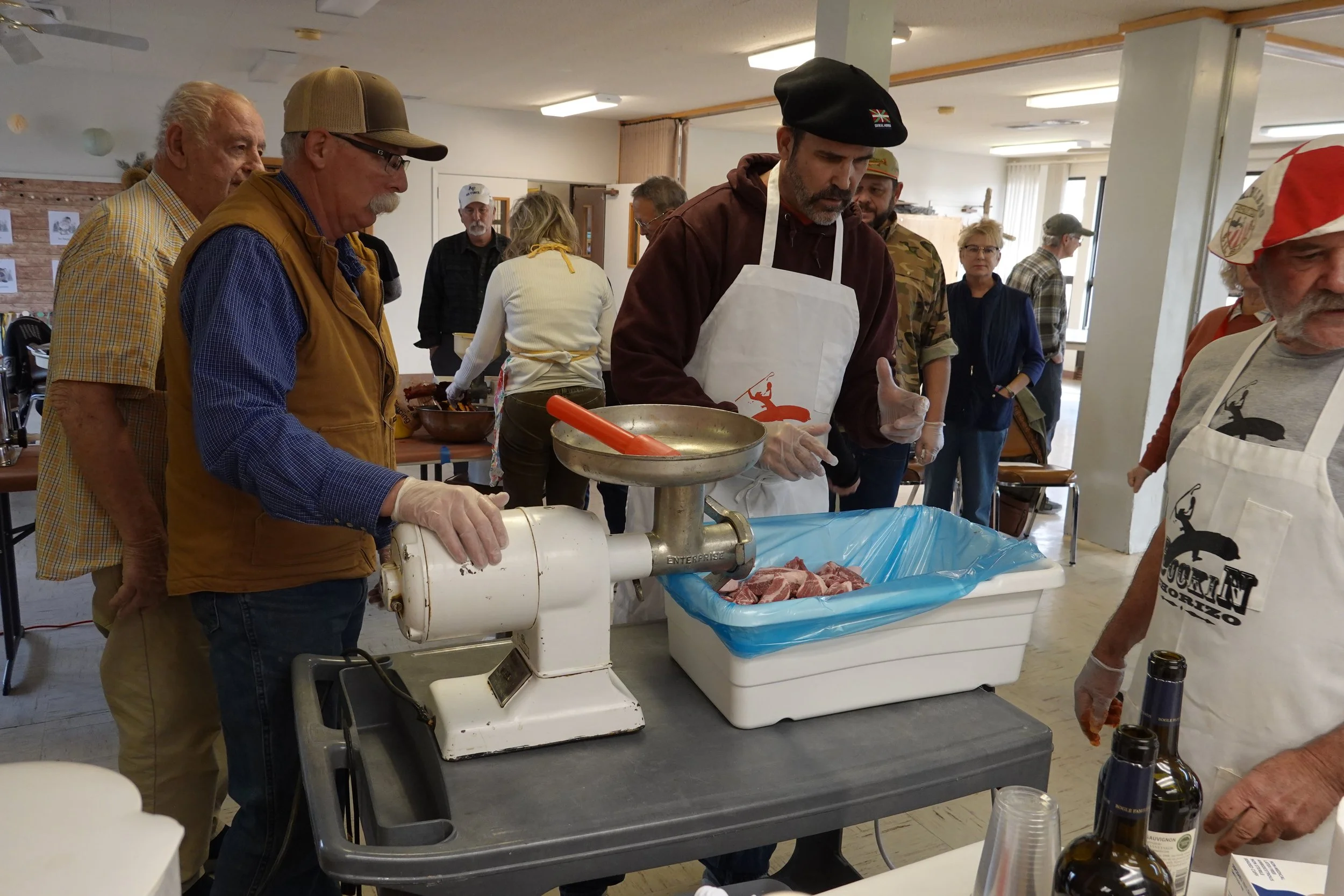
Photograph by Brad McMullen
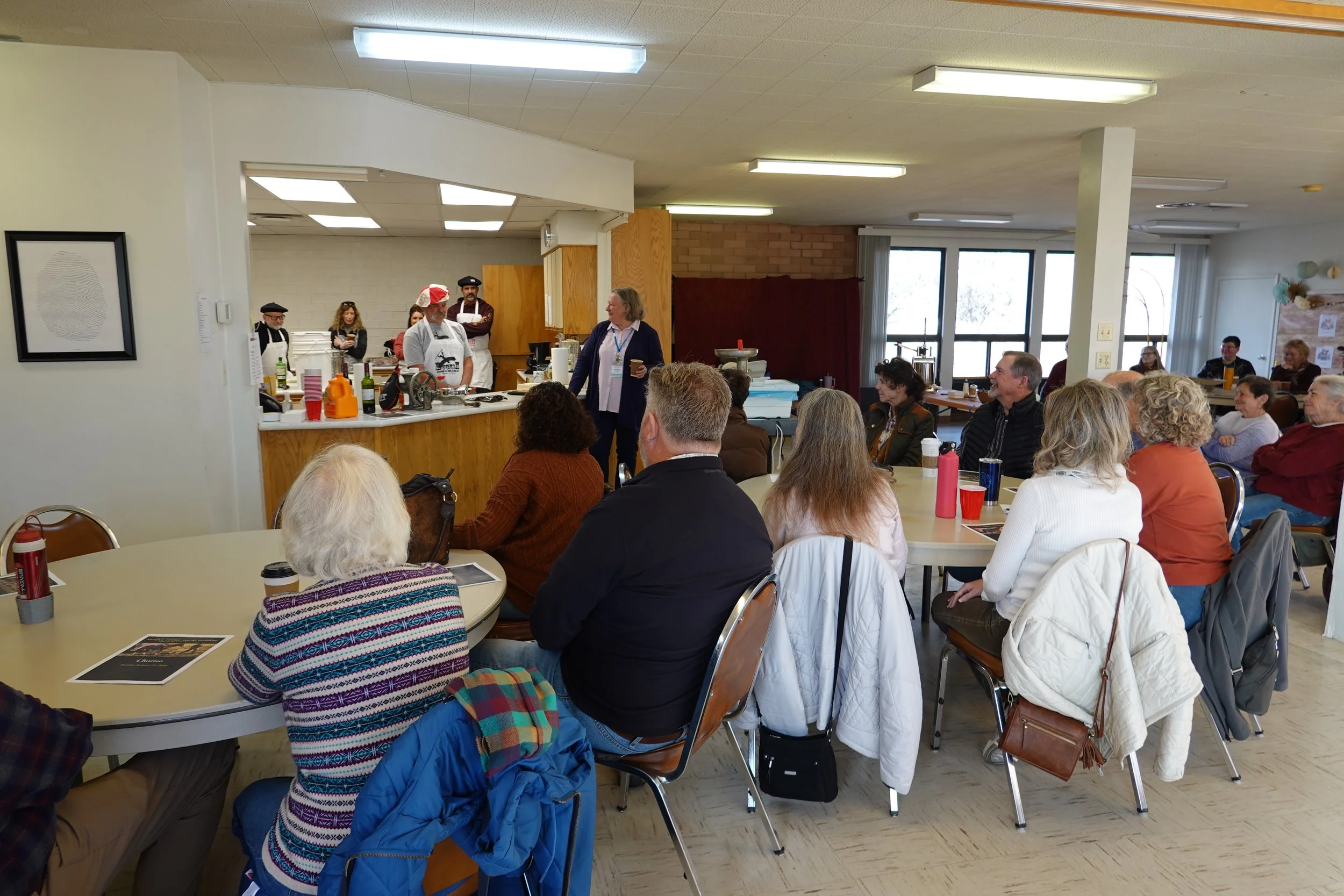
Photograph by Brad McMullen
Whether they arrived as shepherds in the north or to play jai-alai in the south, all but the first bascos were able to find community here in Nevada. Some of that was through finding people with shared traditions like dance and music from the Basque country back home, but it was also the new traditions they were making here in the US, like the picon. It was a new drink for a new land, and a way to welcome people to a new community and new location. And now, as the state drink, it does that for all Nevadans, whether they live here permanently or are just Nevadans for a weekend.
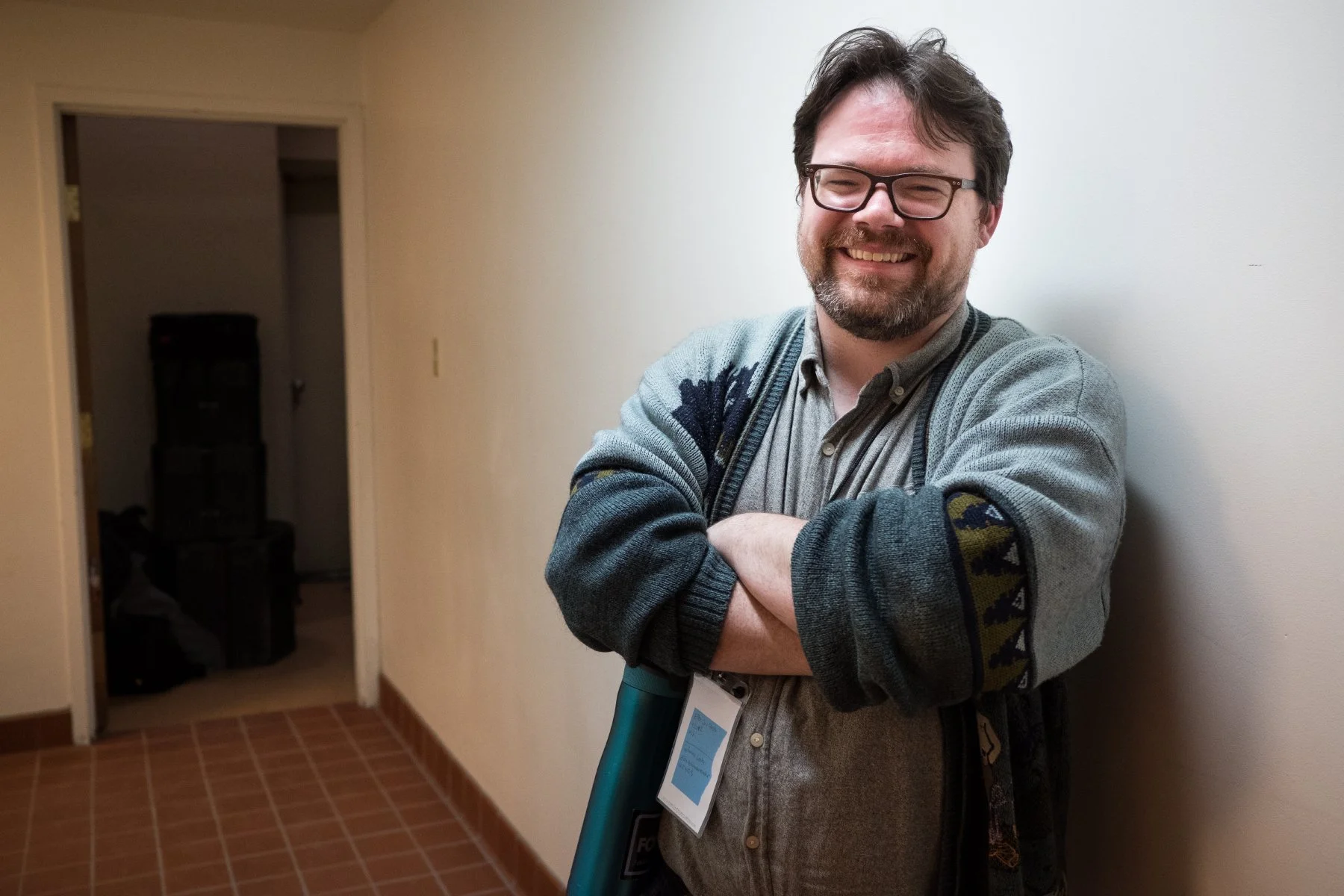
Photograph by Jessica Lifland
Brad McMullen lives in Las Vegas, Nevada, where he serves as the State Folklorist for Nevada and as the Folklife Specialist at the Nevada Arts Council. Before joining the Nevada Arts Council, he was the Programs and Gathering Manager at the Western Folklife Center in Elko, NV where he oversaw the National Cowboy Poetry Gathering and other programs. He has three master’s degrees – one in Public Folklore and one in Arts Administration, both from University of Oregon, and one in Welsh from Cardiff University.